


"In a world of trends, we choose to remain a classic."
India’s artistic landscape is a breathtaking mosaic of stories, colors, and ancient techniques that have survived for millennia.its drawing and painting traditions are a vibrant map of the country’s cultural and spiritual history, ranging from ancient cave walls to intricate scrolls. One of the most recognizable forms is Madhubani art from Bihar. Traditionally practiced by women, it uses fingers, twigs, and matchsticks to create geometric patterns and scenes from mythology. The absence of empty space—filled instead with flowers, birds, and patterns—gives it a distinctive, rhythmic energy.
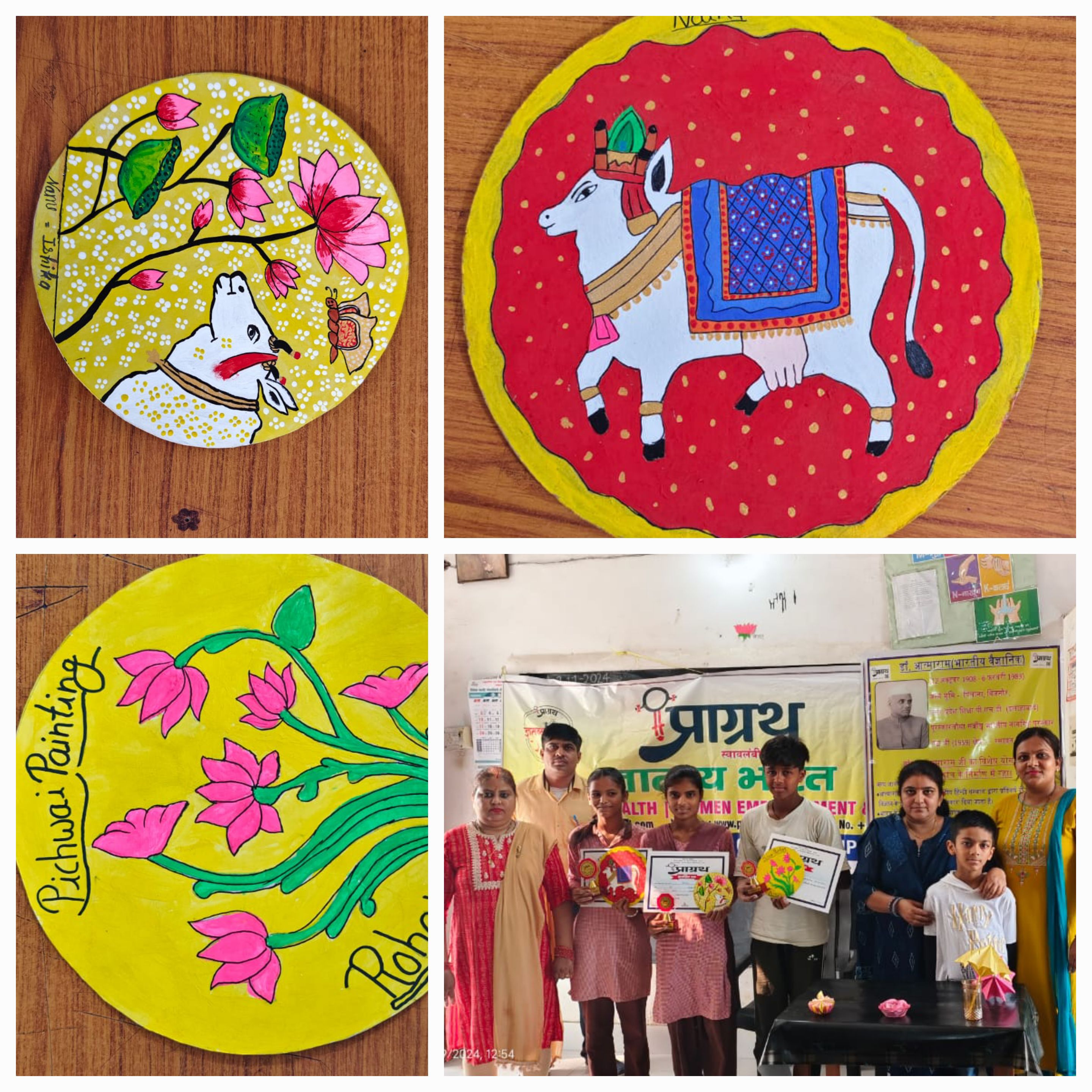
Moving to the western coast, Warli painting from Maharashtra offers a masterclass in minimalist storytelling. Using only basic shapes like circles, triangles, and squares, Warli artists depict daily life, harvests, and communal dances. Its clay-base background and white rice-paste pigment emphasize a deep, earthy connection to nature. In contrast, Pichvai (or Pichwai) is a 400-year-old devotional art form from the temple town of Nathdwara in Rajasthan. The name is derived from the Sanskrit words pichh (back) and wai (hanging), referring to the large, intricate cloth paintings used as backdrops for the idol of Lord Shrinathji, a manifestation of Krishna as a seven-year-old. Common elements include cows (symbolising abundance and devotion), lotuses (purity), peacocks (grace), and Gopis (devotion).
Similarly, Kalamkari from Andhra Pradesh combines drawing with block printing, using bamboo pens to create flowing, organic depictions of epic tales.
Finally, the Gond art of Madhya Pradesh stands out for its use of dots and dashes to create a sense of movement. Each artist has a unique "signature" pattern used to fill in the figures of animals and trees. Together, these diverse forms prove that Indian drawing is not just about aesthetics; it is a ritualistic language used to preserve folklore, celebrate the seasons, and honor the divine. However, in an increasingly digital world, these "living traditions" face the risk of becoming static museum pieces unless they are actively practiced by the younger generation. This is where initiatives like the art competitions conducted by “Pragrath” under “Gyatavya” initiative play a transformative role in schools.
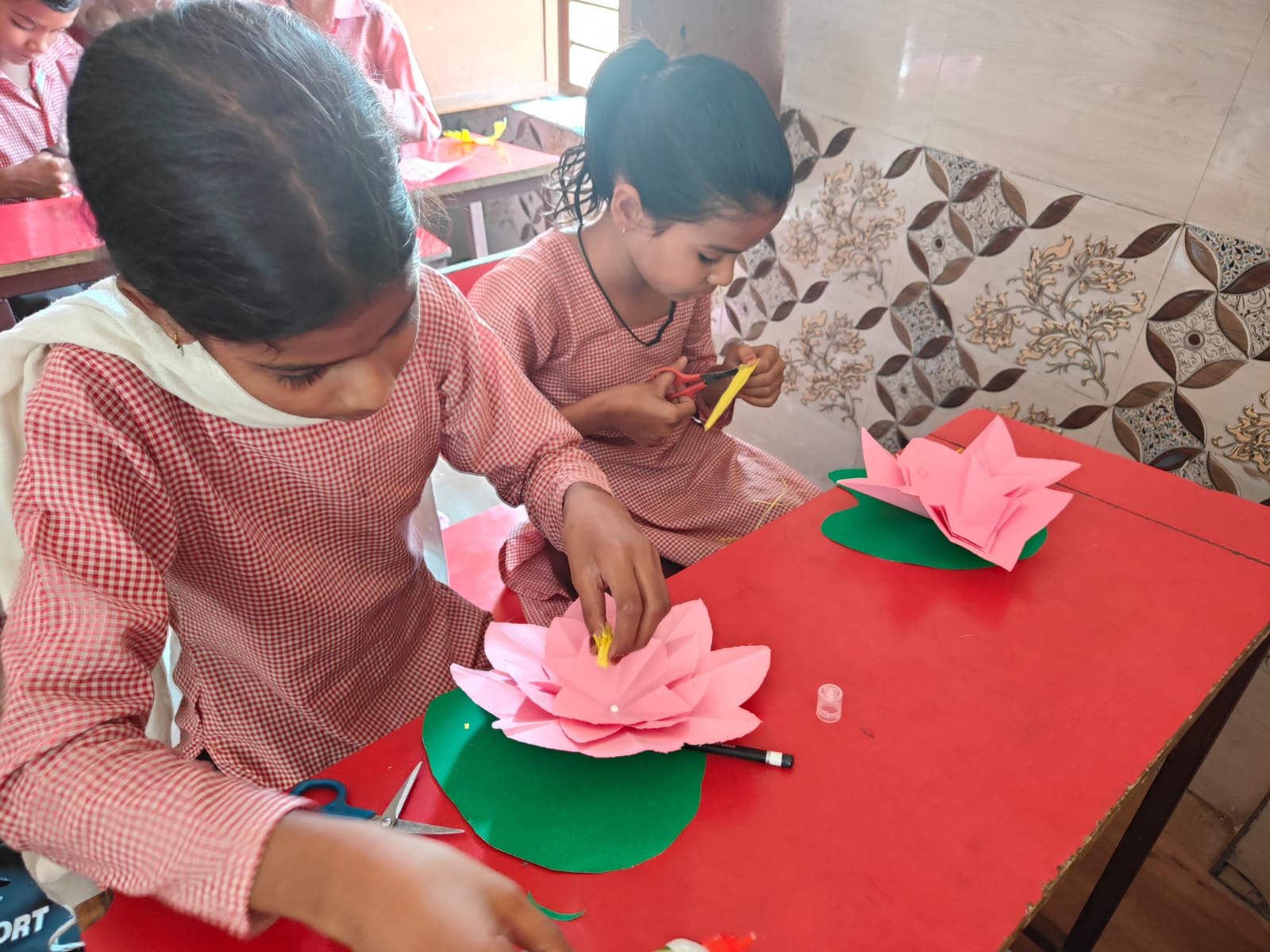
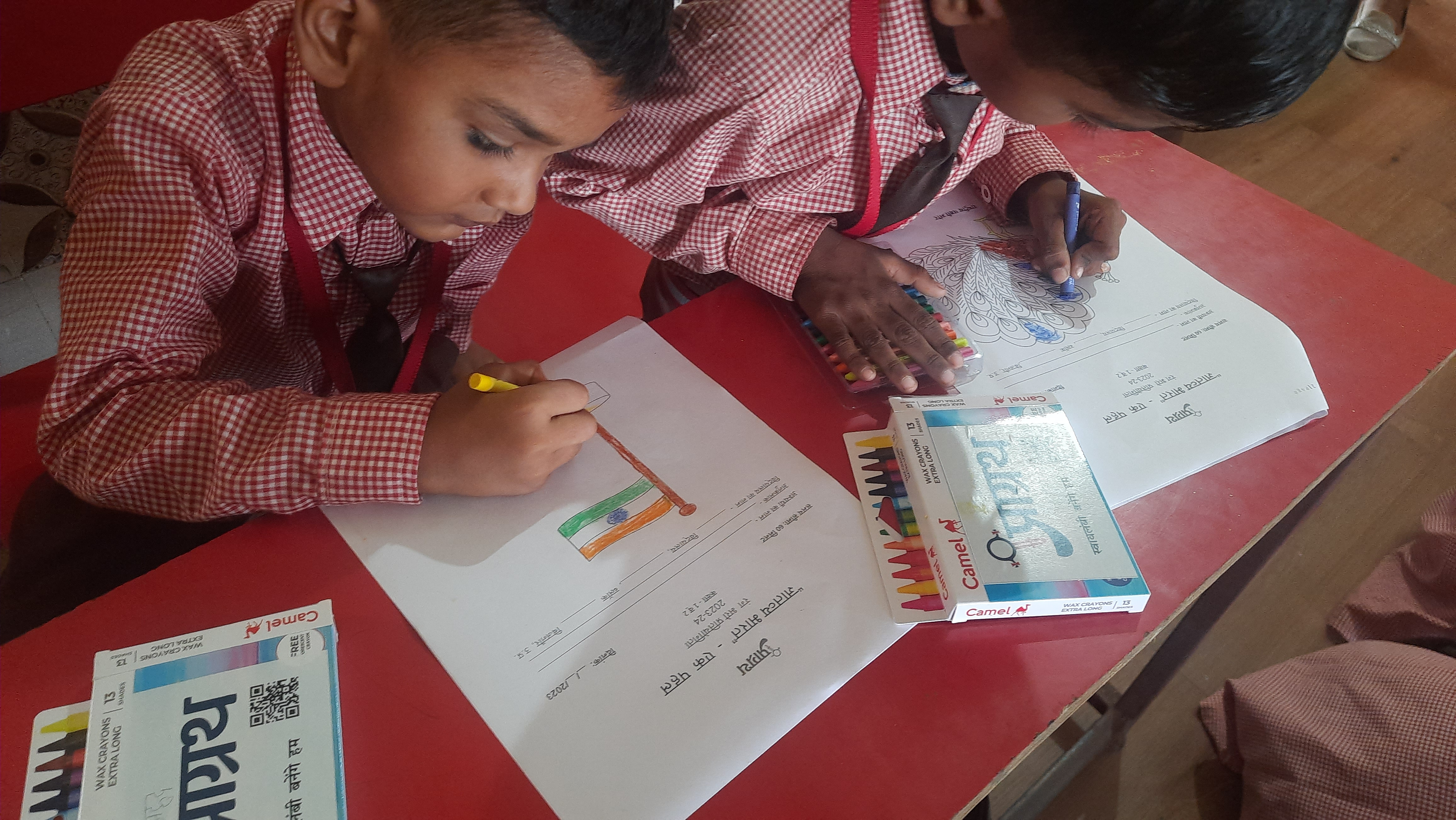
By bringing traditional Indian art into the competitive school environment, Pragrath bridges the gap between ancient heritage and modern education. These competitions are not merely about winning prizes; they are immersive cultural workshops that challenge students to research the symbolism and natural pigments inherent in folk art.

Comment(s) (1)
dosphxgkzydxmsedtkgotgkjnpeljj
Leave a Comment